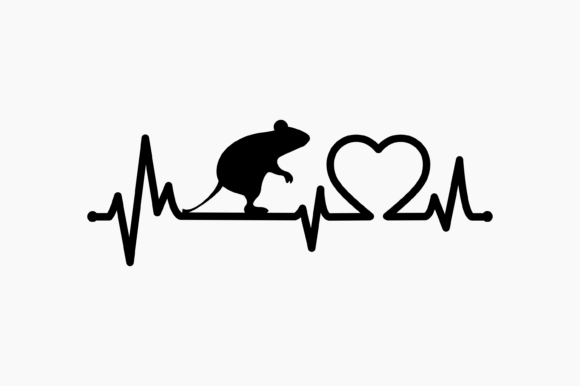
Mouse Heartbeat
A First Impression That Speaks Volumes
The first time I saw Mouse Heartbeat, I was struck by its quiet intensity. It’s not the kind of design that shouts for attention, but it carries a subtle emotional weight. The heart shape is clean and symmetrical, with a soft, organic feel that suggests both warmth and precision. The mouse motif adds a playful twist, making it uniquely appealing for a range of projects. It feels like something you’d see on a handmade gift or a boutique item—something personal yet versatile.
Designing for Real Projects: What Works and What to Watch For
As an experienced designer, I know that not all digital files translate seamlessly into physical products. Mouse Heartbeat has a strong visual personality, but its performance in real-life embroidery depends on several factors. Let’s break down how it might work in different scenarios.
Custom Apparel and Personalized Gifts
Mouse Heartbeat could be a great addition to custom apparel like t-shirts, sweatshirts, or tote bags. Its simplicity makes it ideal for minimalist designs, while the mouse element adds a touch of whimsy. When applied to a T-shirt, it can serve as a subtle signature piece or a meaningful personalized gift. However, I’d recommend testing it on a scrap fabric first to ensure stitch clarity and color contrast.
If you're planning to use it on dark-colored fabrics, consider the thread colors carefully. A light thread against a dark background may not provide enough contrast, especially if the design includes intricate details. Testing in black and white mockups is a smart step before committing to a final product.
Baby Embroidery and Holiday Projects
This design could also work well for baby items like onesies, bibs, or blankets. The gentle theme of a heartbeat paired with a mouse gives it a sense of comfort and care, which is perfect for nursery decor. However, keep in mind that small hoop sizes might struggle with the detail level, particularly around the heart’s edges and the mouse’s tail.
For holiday gifts, Mouse Heartbeat could be a unique addition to embroidered patches, aprons, or even kitchen towels. But again, fabric texture plays a role. Textured or stretchy fabrics might cause the design to shift slightly during stitching, so using the right stabilizer is essential.
Commercial Embroidery and Craft Business Use
From a commercial standpoint, Mouse Heartbeat has potential as a digital embroidery file for Etsy sellers or small shop owners. It’s versatile enough to fit into a variety of product lines, from personalized gifts to branded merchandise. However, it's important to confirm licensing terms before selling finished products or digital assets. Always check whether the design allows for unlimited use and commercial reproduction.
When creating printable mockups, make sure the design doesn’t lose quality at different scales. Some embroidery files can look pixelated when enlarged, which can affect the final appearance. Test the design on multiple fabric types to ensure it holds up in different applications.
Practical Designer Notes for Success
Before using Mouse Heartbeat in any project, take the time to review key aspects:
- Test on scrap fabric to assess stitch density and overall appearance.
- Check thread color contrast against your chosen fabric background.
- Review stitch density to ensure it works well with your machine and fabric type.
- Confirm hoop size to avoid issues with scaling or detail loss.
- Inspect small details, such as the mouse’s tail or the heart’s inner curves, to ensure they remain clear after stitching.
- Use proper stabilizer to prevent puckering or distortion, especially on delicate fabrics.
Remember, Mouse Heartbeat is a digital embroidery file, not a finished product. It requires thoughtful preparation and attention to detail to ensure it looks its best in the final application. Whether you’re creating a handmade product or a commercial item, the success of your project depends on how well the design translates from screen to fabric.
Where to Use With Care
While Mouse Heartbeat is a versatile design, there are certain situations where it might need extra attention:
- Small hoop sizes may not capture the full detail of the design, especially in areas with dense stitch patterns.
- Textured or thin fabrics can cause the design to appear less crisp, so consider using a backing or stabilizer.
- Dark or layered garments may require additional lighting or contrasting thread colors to maintain visibility.
- Curved surfaces like caps or hats may distort the design slightly, so test on a similar surface before committing to a final product.
- Tiny lettering or detailed corners may become less legible after stitching, especially on stretchy or uneven fabrics.
By understanding these limitations, you can make informed decisions about where to apply Mouse Heartbeat and how to prepare for its execution.
Conclusion: A Design That Works in Many Hands
Mouse Heartbeat is a design that feels both intentional and approachable. It’s not overly complex, but it carries enough character to stand out in a handmade product or a personalized gift. Whether you're an Etsy seller, a small business owner, or a hobbyist looking to create something meaningful, this design offers a solid foundation for creative expression.
Ultimately, the success of any embroidery project depends on how well the design aligns with the final product. Mouse Heartbeat has the potential to be a valuable asset in your craft business or personal projects—if used with care and awareness. Always remember to test, adjust, and prepare, and you’ll be well on your way to creating something truly special.